Podcast: Play in new window | Download
Subscribe: Apple Podcasts | Spotify | Android | Pandora | iHeartRadio | TuneIn | Deezer | RSS
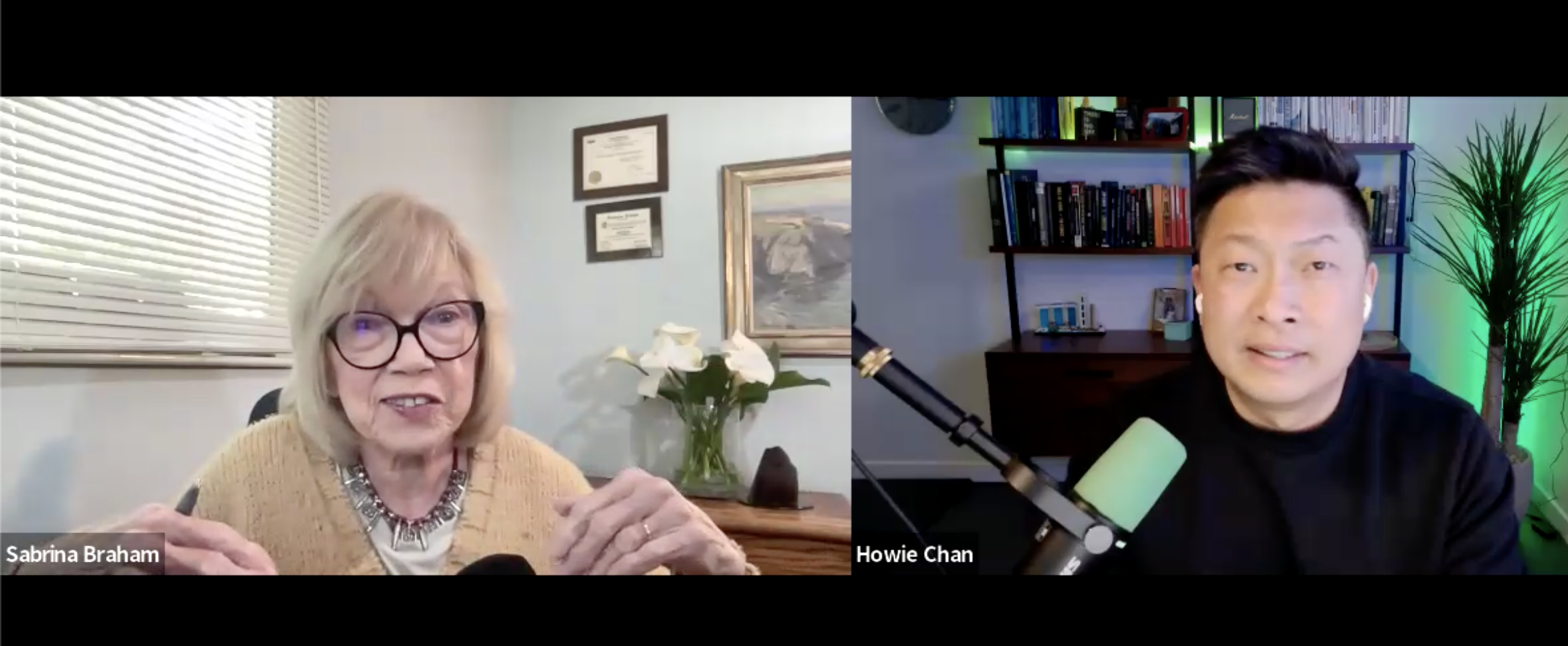
Gravitas drives 67% of executive presence—yet most high-performing leaders are invisible outside their immediate team. Branding strategist Howie Chan reveals why executive personal branding is a career survival tool in 2026, how the C.A.R.E. framework builds the credibility that gets leaders referred, and why thought leadership—not harder work—is the primary currency for promotion.
- Gravitas drives 67% of executive presence—confidence, decisiveness under pressure, and EQ are what decision-makers evaluate first.
- Executive personal branding in 2026 has shifted from self-promotion to stewardship and thought leadership.
- Your LinkedIn profile is a professional vault—every post builds a body of work recruiters and executives review before any interview.
- The C.A.R.E. Framework (Competence, Authenticity, Reliability, Empathy) is the proven path from visibility to trust to referral.
- The best time to start was years ago. The second-best time is right now.
You Work Hard. You Deliver Results. So Why Doesn’t Anyone Know Your Name?
I’m Sabrina Braham, MA, MFT, PCC—executive leadership coach with over 30 years of experience, and host of the Women’s Leadership Success Podcast, ranked in the top 1.5% globally with more than 950,000 downloads. In nearly three decades of coaching senior leaders, I have seen one pattern repeat itself again and again: the most talented professional in the room is frequently the least visible one.
In a March 2026 interview on this podcast, branding strategist Howie Chan—former managing director of brand strategy, now one of LinkedIn’s most recognized voices on executive personal branding—laid out exactly why that invisibility happens and what to do about it.
His story begins on March 31st, 2022. A Friday afternoon calendar invite. His manager and an HR person on the Zoom call. After nearly nine years as managing director, he was laid off. His first thought wasn’t strategy—it was shame. He had painters in his house that day. What would they think?
“There’s no such thing as loyalty to you. It’s a business, so people get let go all the time. That’s what led me to help executives become known outside the four walls of their company—before a crisis forces the issue.”
In 2026, that mission has never been more urgent. Executive search firms and hiring committees now evaluate digital presence as seriously as a résumé. The professionals landing opportunities fastest are not the most credentialed—they are the most visible and the most strategically positioned.
Download for Free Today
Why Executive Personal Branding Is No Longer Optional
Most high-performing leaders were taught a lie: put your head down, do exceptional work, and the right people will notice.
Current research defines executive presence as the “ability to win the confidence of those around you”—and gravitas, which includes confidence, decisiveness under pressure, and emotional intelligence, accounts for a dominant 67% of that equation. But gravitas cannot win confidence from people who have never encountered you.
Executive branding in 2026 has shifted decisively from self-promotion toward stewardship and thought leadership. The leaders gaining traction are not the loudest voices—they are the most consistent, most authentic, and most strategic about who they serve.
“You might say, ‘my colleagues know me,'” Howie told me. “But there will be a time you will leave your company—and what happens then?”
The Hidden Cost of Being Invisible
Think about what happens when your name appears in a decision-maker’s inbox. What comes to mind for them? “I need to take this call—this person can help me with X”? Or do they scroll past because they have no mental model of who you are?
“That’s essentially what brand is—the story someone tells themselves about you when you’re not in the room.”
In my coaching practice, I see this constantly: high-achieving leaders going up for promotion, being passed over—not because of performance, but because the decision-makers above them do not know their story. No brand equals no promotion. The correlation is that direct.
Executive Personal Branding vs. Self-Promotion: The Critical Difference
One of the most liberating reframes Howie offers is the distinction between personal branding (how people perceive your personality) and professional branding (who you serve and what problems you solve).
“When you hear ‘personal brand,’ people think it means talking about your life or your experiences,” he explained. “But from a professional standpoint, it starts with who: Who are you helping? What problems are you solving?”
This shifts the entire frame from bragging about yourself to making your value legible to the people who need it. There is even neuroscience behind why high-performers resist doing this. Howie cited the lesser-known inverse of the Dunning-Kruger effect: while low-ability individuals overestimate their competence, those with genuine expertise tend to undervalue it. The better you are, the more you assume everyone already knows what you know—so you stop communicating it. Your silence reads as absence.
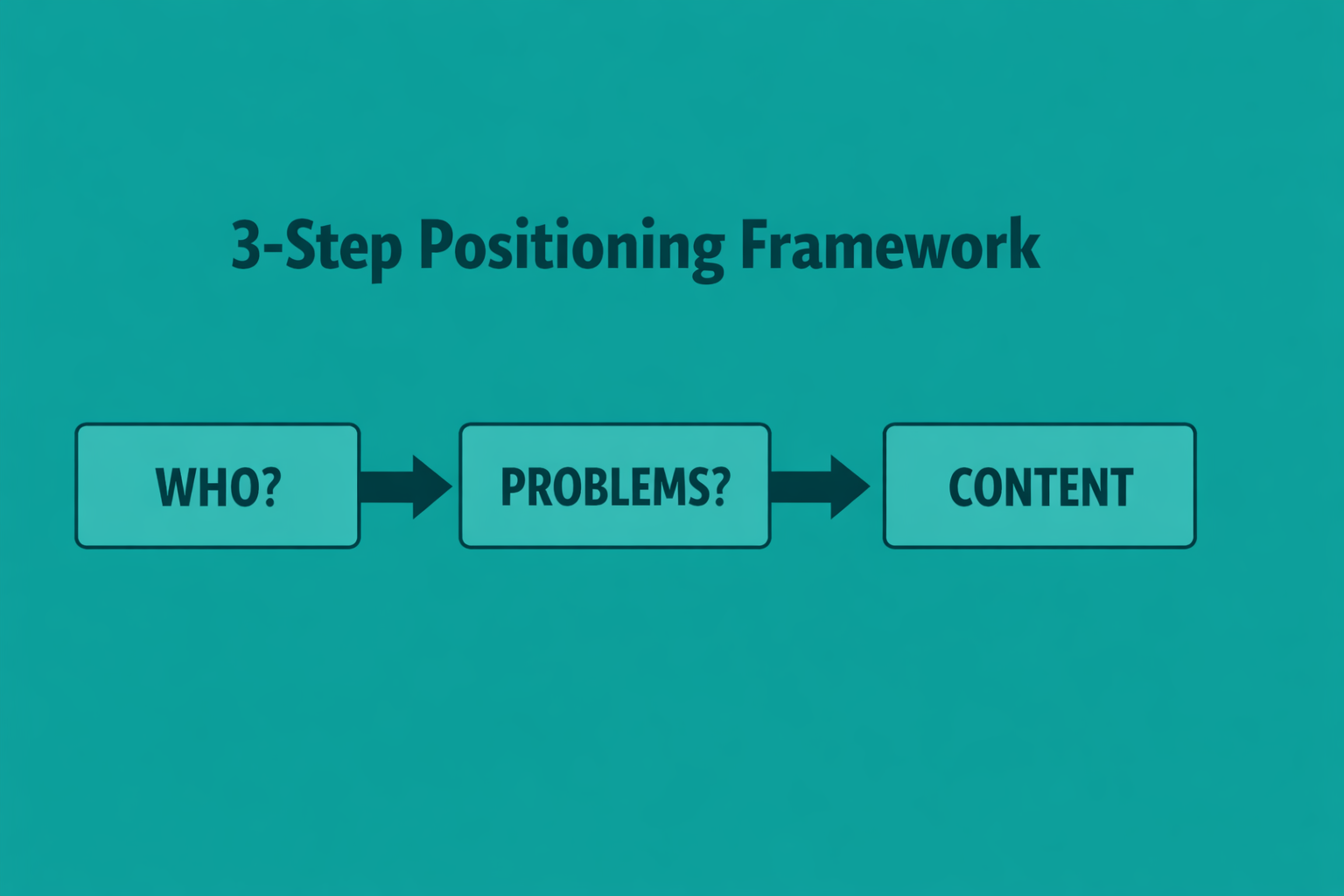
3-Step Positioning Framework
- Identify WHO specifically benefits from your expertise—not everyone, your right people.
- Define the specific PROBLEMS you solve that others in your field cannot solve as equally well.
- Create content and conversations that connect your experience to those problems—not your job title.
The 2026 Executive Branding Framework: 5 Practices That Move the Needle
Current research across executive search, leadership development, and digital strategy points to five practices that define the leaders who are breaking through in 2026:
-
Quality Over Quantity — Strategic Content, Not Random Acts
The research-supported baseline: one original educational post per week and one short-form video per month. This simple cadence, sustained over six months, creates the compound visibility effect that sporadic posting never achieves. Howie reinforced this directly: “Whatever you write, make it short, make it memorable, make it punchy. If you can take the time to make it shorter, do.”
-
Human-First Narrative — Authenticity as Executive Currency
Audiences and boards now seek what researchers call “unapologetic authenticity”—signature stories reflecting values, purpose, and lessons from failure. This is not vulnerability for its own sake; it is strategic humanity that builds the Connection and Charisma pillars of the 7 C’s executive presence framework.
-
Strategic Participation — Conversation, Not Broadcasting
Successful executive brands in 2026 are built not just through publishing but through deliberate participation in “conversation hubs”—commenting on posts from industry leaders, analysts, clients, and peers. Only 1% of LinkedIn professionals post weekly; consistent participation immediately places any leader in a visible minority.
-
Thought Leadership as Currency
True thought leadership in 2026 is sharing original, experience-based insights that change how others think or behave. This differs fundamentally from curating others’ content or echoing industry consensus. It establishes authority that transcends a traditional résumé.
-
Short-Form Video — The New Business Card
Executives using short video clips under 90 seconds are seeing 3–5× higher LinkedIn reach than equivalent text posts. Production quality matters far less than consistency and authenticity. One direct, structured insight delivered on camera builds more trust than ten polished written posts.
LinkedIn: Your Professional Vault (And You’re Barely Using It)
Howie described LinkedIn not as a job board but as a living body of work. “Every post, everything you put up there, builds a record that any recruiter, any teammate, any C-suite executive can look at and think: wow, this person knows what they’re talking about.”
He identified two traps executives fall into most often:
- The Lecture Room Trap: Treating LinkedIn as a broadcast channel where you teach at people. Write scannable, short, conversational content that invites dialogue.
- The Follower-Count Trap: Chasing vanity metrics. 500 deeply engaged, right-fit connections outperform 50,000 passive followers. Define what you want LinkedIn to do—promotion visibility, client attraction, or authority-building—and optimize for that specific outcome.
One of my clients recently wanted me to rewrite her first LinkedIn post before publishing it. My advice: publish it imperfectly. Start. Get feedback. Adjust. Executive personal branding is built through consistent iteration, not through waiting for perfection.
The C.A.R.E. Framework: Building Credibility That Gets You Referred
Credibility is not about how many people know your name—it is about the depth of trust you have built with the right people. The highest expression of that trust is referral: when someone stakes their own social reputation by recommending you.
Howie’s C.A.R.E. framework defines the four pillars of that trust:
| C.A.R.E. Pillar | What It Means for Your Executive Brand |
|---|---|
| Competence | You are genuinely excellent at what you do. This is the non-negotiable foundation—it cannot be faked and cannot be substituted. |
| Authenticity | You share what is real—not everything, but nothing false. Perceived inauthenticity destroys brand instantly; genuine stories build it permanently. |
| Reliability | You do what you say. You show up consistently. This is what separates trusted advisors from interesting acquaintances. |
| Empathy | You genuinely care about the people you serve—their goals, their constraints, their full context. All content and conversation starts there. |
“When you have all four, you become a credible person that somebody trusts—and the biggest level of trust is when people refer you. That’s when they risk their own social reputation on you.”
This framework maps directly onto the 7 C’s of executive presence—Composure, Connection, Charisma, Confidence, Credibility, Clarity, Conciseness—identified in 2026 executive search research. C.A.R.E. is what generates the Credibility dimension, the most durable of the seven.
Evolving Your Executive Personal Brand as You Move Up the Ladder
A question every senior leader should sit with: does the way you show up—on LinkedIn, in meetings, in how you talk about your work—reflect the leader you already are? Or the title you currently hold?
Howie’s framework is alignment. Your experiences, content, visuals, and values all need to point in the same direction.
“As you grow, your experiences grow, your point of view sharpens,” he said. “Your job is to reflect that growth. The best case: people recognize you are capable of more, even though your title is still manager.”
This connects directly to the 2026 key skills boards look for when promoting: Organization Design, Execution Discipline, and Skills-Based Adaptability. When your executive personal branding communicates these capabilities through concrete stories and evidence, promotion decisions become almost inevitable.
Old Approach vs. Strategic Executive Personal Branding in 2026
| Traditional Approach (Outdated) | Strategic Visibility (2026) |
|---|---|
| Put your head down and deliver | Deliver results AND build consistent visibility |
| LinkedIn = job search tool only | LinkedIn = living body of work, 24/7 brand asset |
| Chase follower counts | Build depth of trust with the right 500 people |
| Self-promotion = bragging | Strategic positioning = serving others visibly |
| Credentials listed in a static profile | Original insights shared through regular content |
| Brand = what you say about yourself | Brand = what others say when you’re not in the room |
| Build brand only when job-searching | Brand-building = continuous career infrastructure |
| One-time networking events | A flywheel system that compounds over time |
What’s New in Executive Personal Branding: 2026 Trends
- AI fluency is now a brand signal. Boards explicitly prioritize leaders who can articulate how they navigate digital transformation and AI integration. Executives incorporating AI fluency into their thought leadership are differentiating themselves at the hiring level.
- Digital and hybrid presence is a promotion differentiator. The ability to build trust and maintain accountability across distributed teams—and to demonstrate this visibly—is an explicit evaluation criterion for senior promotions.
- Thought leadership has replaced credentials as the primary authority signal. Original, experience-based insights shared consistently now establish authority that transcends a traditional résumé.
- Short-form video engagement is surging. Native LinkedIn video generates 3–5× more reach than equivalent text posts, with no production studio required.
Implement This Week: Your Executive Brand Audit
- 15 minGoogle your name in incognito mode. Does what appears reflect the leader you are today?
- 20 minReview your LinkedIn headline and About section. Does it start with who you serve—or with your job title?
- 30 minList 5 genuine insights from your work this month that would help someone at an earlier career stage.
- 15 minPost one of those insights on LinkedIn this week. Imperfect. Published. Done.
- Ongoing Identify 10 people whose attention would meaningfully advance your career. Follow them. Engage with their content before requesting a connection.
Common Executive Personal Branding Mistakes to Avoid
- Waiting for a crisis to start. Brand compounds over months. Start while you have runway—not when the fire has already started.
- Treating LinkedIn as a resume, not a conversation. The platform rewards engagement and authentic dialogue—not a static credentials list.
- Conflating volume with credibility. Depth of relationship with the right 500 people creates more career impact than shallow reach to 50,000.
- Branding externally but not internally. Your internal brand—how peers, direct reports, and senior leadership perceive you—matters equally for promotion decisions.
- Inflating beyond your real experience. Authenticity is the most durable executive brand asset. Inauthenticity is immediately detectable and permanently damaging.
People Also Ask: Executive Personal Branding
What is executive personal branding and why does it matter in 2026?
Executive personal branding is the strategic, consistent management of how you are perceived professionally—beyond your job title and outside your company’s four walls. In 2026, executive search firms and hiring committees actively evaluate digital presence, and the leaders landing opportunities fastest are the most visible and most strategically positioned—not necessarily the most credentialed.
What is the difference between personal branding and professional branding?
Personal branding focuses on personality and story. Professional branding—the more powerful frame for senior leaders—begins with who you serve and what problems you uniquely solve for them. It positions expertise as a business asset rather than a personal achievement, which is more compelling to hiring committees and boards.
How do I build executive presence and personal brand at the same time?
The 7 C’s of executive presence (Composure, Connection, Charisma, Confidence, Credibility, Clarity, Conciseness) and executive personal branding are deeply complementary. Gravitas—the core pillar at 67% of executive presence—must be demonstrated through consistent content, authentic storytelling, and strategic participation, not just in-person interactions.
How often should executives post on LinkedIn in 2026?
Research supports one original educational post per week and one short-form video per month as the sustainable baseline. Consistency dramatically outperforms sporadic high-volume posting. Since only 1% of LinkedIn professionals post weekly, that cadence alone makes you a visible minority.
How do I build executive credibility without self-promotion?
Use the C.A.R.E. framework: demonstrate Competence through original insights, Authenticity through real stories including setbacks, Reliability through consistent presence over time, and Empathy by framing everything around the people you serve. The result is strategic visibility, not bragging.
About the Experts

Spent nearly a decade as managing director of brand strategy before being laid off in 2022. That experience launched his mission: helping executives build visible authority outside their company’s four walls. In under four years he built one of LinkedIn’s most recognized voices on professional branding. Host of the Influence Anyone podcast and founder of the Influence System Mastery program. HowieChan.com

Executive leadership coach with over 30 years of experience and host of the Women’s Leadership Success Podcast—top 1.5% globally with 950,000+ downloads since 2007. Has coached 250+ senior leaders across tech, finance, and professional services, helping many achieve promotions 3× faster. womensleadershipsuccess.com